
G-POEM (Gastric Peroral Endoscopic Myotomy) for Refractory Gastroparesis
Clinical Bottom Line Target Anatomy Procedural Defect Clinical Outcome The Pyloric Sphincter The thickened, spastic ring of muscle violently gating […]

Clinical Bottom Line Target Anatomy Procedural Defect Clinical Outcome The Pyloric Sphincter The thickened, spastic ring of muscle violently gating […]
Clinical Bottom Line Procedural Step Safety Mechanism Avoidance of Catastrophe Diaphanoscopy (Transillumination) Using the intense light of the gastroscope to
Clinical Bottom Line Ductal Target Anatomical Origin at the Papilla Cannulation Trajectory Common Bile Duct (CBD) 11 o’clock position (Superior/Left).

Clinical Bottom Line Rescue Technique Mechanical Strategy Pancreatitis Risk Factor Needle-Knife Fistulotomy (NKF) Bypasses the actual papilla; burns a massive

Clinical Bottom Line Operational Bottleneck Financial Implication in the ASC 2026 Efficiency Standard Scope Processing Turnaround Lack of clean colonoscopes

Clinical Bottom Line Resection Technique Maximum “En Bloc” Size Limit Pathological Output EMR (Endoscopic Mucosal Resection) Strictly limited to ~20mm.
Clinical Bottom Line Medication Class 2026 Resection Protocol Clinical Risk Strategy Aspirin 81mg Continue. DO NOT hold. Risk of stopping

Clinical Bottom Line ESD Knife Distal Anatomy Primary Vector of Dissection DualKnife (Olympus) Tiny knob-shaped tip; protrudes exactly 1.5mm –
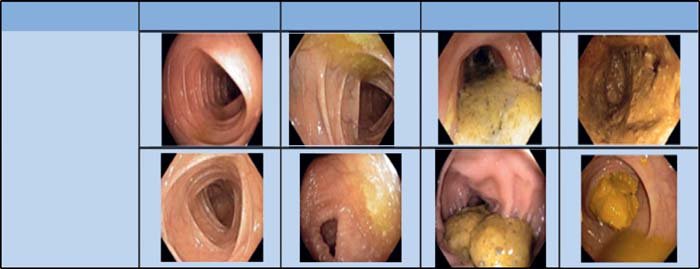
Clinical Bottom Line Colonic Segment BBPS Requirement Polyp Concealment Risk Right Colon (Cecum/Ascending) Absolute 3/3; pristine mucosa. Sessile Serrated Lesions

A gastroenterologist can test for food intolerance through various methods, including elimination diets, hydrogen breath tests, and food allergy testing.